

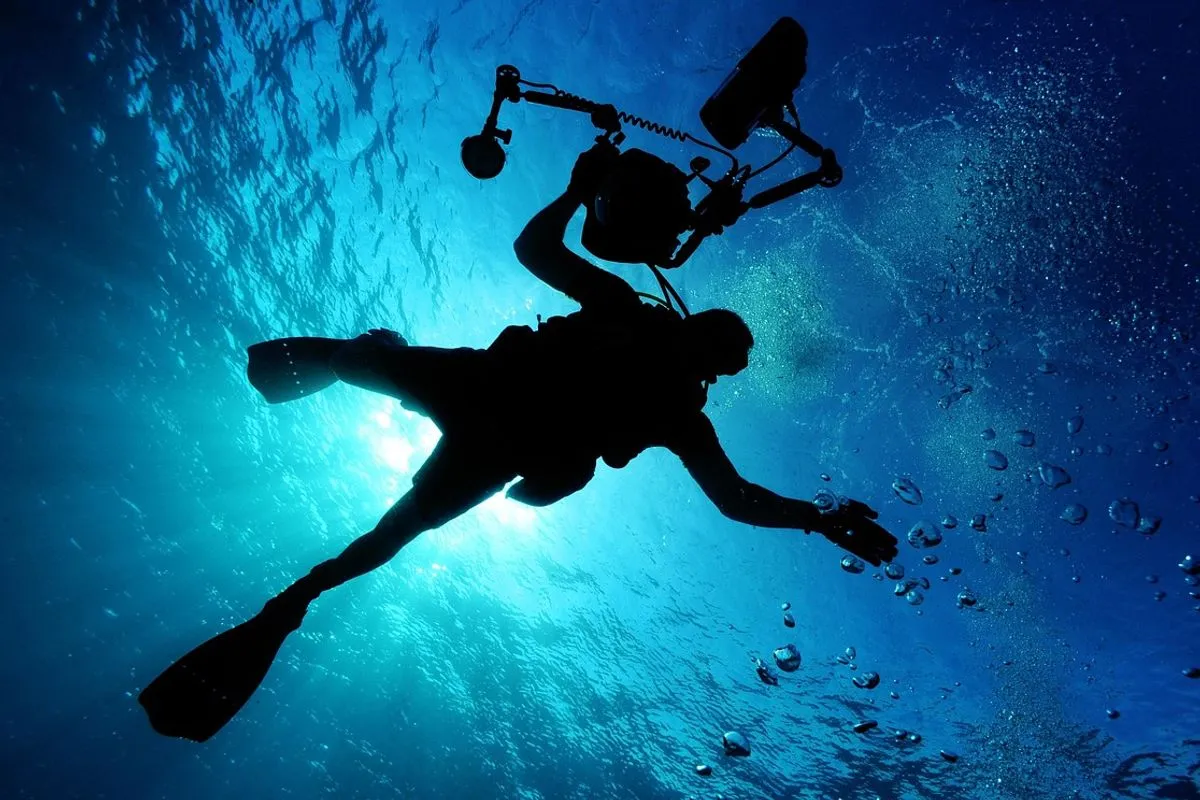


Dive site –
St Andrews Lakes, Formby Road, Halling, Kent
(Note this address is approximate the actual road is Quarry Grove)
51.315455N, 0.435002E
M:
First Aid kit – Onsite (In Office)
Emergency O2 – Onsite (In office 1 x 3ltr, 1 x 5ltr)
Local emergency number – 999
Location of the nearest cellular phone signal – Good signal on site
Ambulance entry point –
Helicopter landing site – Land adjacent to car park

Nearest medical facility –
Medway Maritime Hospital (A&E), Windmill Rd, Gillingham, Kent –
NEAREST Hyperbaric Chambers
London Hyperbaric Medicine,
Whipps Cross University Hospital, Leytonstone, London, .
Non-emergency enquiries:
Emergency Procedures
If a diver is lost, initiate emergency procedures as below
- Determine the most appropriate search technique for the dive site.
- Secure necessary equipment.
- Recall other divers if there is an emergency.
- Organize rescue and first aid care and establish control.
- Alert rescue authorities (999)
- Prepare first aid equipment.
- Provide basic life support.
Basic Life Support
Assess scene safety.
Remove the diver from the water if necessary,
Ensure the safety of all rescuers.
1. Assess responsiveness. If the diver is unresponsive, immediately activate your emergency plan. Call for emergency medical services.
2. Open the airway and check for breathing.
3. If the diver is not breathing normally, deliver 2 rescue breaths.
4. Begin CPR. Immediately deliver 30 compressions followed by 2 breaths. (see next page for detailed description of CPR)
Provide emergency oxygen, if available, at the highest possible concentration using the most suitable delivery device.
When you call for an ambulance, telephone systems now exist that can give basic life-saving instructions, including advice about CPR. These are now common and are easily accessible with mobile phones.
GUIDE CPR
Hands-only CPR
To carry out a chest compression:
- Place the heel of your hand on the breastbone at the centre of the person’s chest. Place your other hand on top of your first hand and interlock your fingers.
- Position yourself with your shoulders above your hands.
- Using your body weight (not just your arms), press straight down by 5-6cm (2-2.5 inches) on their chest.
- Keeping your hands on their chest, release the compression and allow the chest to return to its original position.
- Repeat these compressions at a rate of 100 to 120 times per minute until an ambulance arrives or you become exhausted.
CPR with rescue breaths
If you’ve been trained in CPR, including rescue breaths, If you’re not completely confident, attempt hands-only CPR instead (see above).
Adults
- Place the heel of your hand on the centre of the person’s chest, then place the other hand on top and press down by 5-6cm (2-2.5 inches) at a steady rate of 100 to 120 compressions per minute.
- After every 30 chest compressions, give two rescue breaths.
- Tilt the casualty’s head gently and lift the chin up with two fingers. Pinch the person’s nose. Seal your mouth over their mouth and blow steadily and firmly into their mouth for about one second. Check that their chest rises. Give two rescue breaths.
- Continue with cycles of 30 chest compressions and two rescue breaths until they begin to recover or emergency help arrives.
Children over one year old
- Open the child’s airway by placing one hand on the child’s forehead and gently tilting their head back and lifting the chin. Remove any visible obstructions from the mouth and nose.
- Pinch their nose. Seal your mouth over their mouth and blow steadily and firmly into their mouth, checking that their chest rises. Give five initial rescue breaths.
- Place the heel of one hand on the centre of their chest and push down by 5cm (about two inches), which is approximately one-third of the chest diameter. The quality (depth) of chest compressions is very important. Use two hands if you can’t achieve a depth of 5cm using one hand.
- After every 30 chest compressions at a rate of 100 to 120 per minute, give two breaths.
- Continue with cycles of 30 chest compressions and two rescue breaths until they begin to recover or emergency help arrives.
Infants under one year old
- Open the infant’s airway by placing one hand on their forehead and gently tilting the head back and lifting the chin. Remove any visible obstructions from the mouth and nose.
- Place your mouth over the mouth and nose of the infant and blow steadily and firmly into their mouth, checking that their chest rises. Give five initial rescue breaths.
- Place two fingers in the middle of the chest and push down by 4cm (about 1.5 inches), which is approximately one-third of the chest diameter. The quality (depth) of chest compressions is very important. Use the heel of one hand if you can’t achieve a depth of 4cm using the tips of two fingers.
- After 30 chest compressions at a rate of 100 to 120 per minute, give two rescue breaths.
- Continue with cycles of 30 chest compressions and two rescue breaths until they begin to recover or emergency help arrives.
(Information copied from – http://www.nhs.uk/Conditions/Accidents-and-first-aid/Pages/CPR.aspx)
(Updated – 08/01/2016)
If EMS help is not available, immediately transport the injured diver to the nearest emergency medical facility. Provide emergency department personnel with details concerning the accident and the contact information for DAN, included below.
Contact Information for DAN – 07
Explain to the operator that you have a scuba diving emergency.
Personal Emergency Contact Information
Diver’s name _____________________ Next of kin _____________________
Address
_________________________________ ________________________________
_________________________________ ________________________________
_________________________________ ________________________________
Phone _______________________
Relevant Medical Information
|
Allergies |
|
|
Conditions |
|
|
Medications |
|
|
Doctor Surgery Address Phone ( ) |
|
|
Additional relevant medical information |
Diving Emergency Information
Diver’s name _____________________
Vital signs
____________________________________________________________________________________________________________________________________________________________________________________________________________________________________________________________________________________________________________________
Signs or symptoms
_______________________________________________________________________________________________________________________________________________________________________________________________________________________________________
Allergies
__________________________________________________________________________________________________________________________________________________________
Medications
__________________________________________________________________________________________________________________________________________________________
Medical history
__________________________________________________________________________________________________________________________________________________________
Last meal or oral intake _________________________________________________
Events leading to current situation
_______________________________________________________________________________________________________________________________________________________________________________________________________________________________________
Neurological assessment
__________________________________________________________________________________________________________________________________________________________
Dive profile information
______________________________________________________________________________________________________________________________________________________________________________________________________________________________________________________________________________________________________________________________________________________________________________________________________________________________________________________________________________